Defining Visual Identity: The Strategic Rise of Light and Shadow in Contemporary Branding
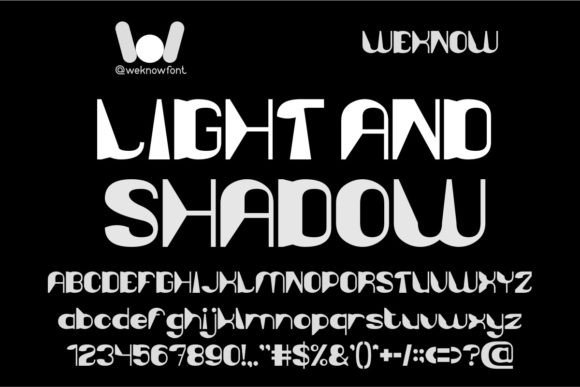
In the rapidly evolving landscape of digital and print media, the choice of typography is rarely just an aesthetic decision; it is a strategic imperative. As brands vie for attention in an increasingly saturated marketplace, the tools used to communicate identity must do more than simply convey information—they must evoke emotion, establish tone, and cut through the noise. Enter Light and Shadow, a cool cartoon-style display font that has emerged as a versatile powerhouse for creators, entrepreneurs, and marketers looking to inject personality into their visual narratives. This typeface represents a broader shift in design trends where playfulness meets professionalism, offering a unique solution for logo design, corporate identity, and multimedia projects.
The Intersection of Playfulness and Professionalism
The modern consumer is sophisticated yet crave authenticity. There is a growing fatigue with sterile, overly corporate aesthetics that feel distant and impersonal. In response, we are witnessing a surge in branding that embraces human-centric qualities, often manifested through illustrative and hand-drawn styles. Light and Shadow fits squarely into this movement. By combining the whimsical nature of cartoon styling with the structural integrity required for legible display text, it bridges the gap between fun and function.
For professionals in the apparel industry or corporate identity sectors, this duality is invaluable. A streetwear brand, for instance, needs a logotype that feels organic and rebellious yet remains readable on a hoodie or a billboard. Similarly, a tech startup aiming to appear approachable rather than intimidating can utilize this font to soften its image without sacrificing clarity. The font's ability to act as both a headline grabber and a cohesive brand element makes it a critical asset in a designer's toolkit.
Adapting to the Multi-Platform Reality
One of the most significant challenges facing today's creatives is the need for consistency across disparate platforms. A brand identity must work seamlessly on a YouTube thumbnail, an Instagram story, a physical poster, and a responsive website. Many traditional display fonts fail when scaled down or rendered on low-resolution screens, losing their character and impact. However, the design philosophy behind Light and Shadow anticipates these varying contexts.
The bold strokes and distinct contours of this cartoon-style typeface ensure high visibility even at smaller sizes, making it ideal for social media graphics where users scroll quickly. When applied to movie posters or game titles, the font commands attention, creating an immediate atmospheric hook. Its versatility extends to the publishing world as well, serving as an engaging choice for comic book covers, magazine headers, and book titles that need to stand out on a crowded shelf. This adaptability reflects a larger trend in design workflows: the necessity for assets that are "platform-agnostic," reducing the need for multiple font licenses or constant redesigns for different mediums.
Why Creatives Are Turning to Stylized Display Fonts
The attention surrounding Light and Shadow is not accidental; it is a reaction to changing consumer preferences and the democratization of design tools. In the past, high-quality, stylized typography was often reserved for large agencies with extensive budgets. Today, freelancers and small business owners have access to professional-grade resources, allowing them to compete on a visual level previously unattainable. This shift has created a demand for fonts that offer instant character—typefaces that can define a brand's voice in a single glance.
Furthermore, the rise of the creator economy has elevated the importance of personal branding. Influencers, content creators, and independent artists need visual identities that reflect their unique personalities. A generic sans-serif no longer suffices for a music artist releasing a new album or a gamer launching a streaming channel. Light and Shadow provides the distinctive flair needed to build a memorable personal brand. Its cartoon-esque quality suggests creativity and innovation, traits highly valued in the digital content sphere.
Practical Applications in Brand Storytelling
To understand the true value of Light and Shadow, one must look at its practical application in storytelling. Typography is a silent narrator; it sets the stage before a single word is read. Consider a marketing campaign for a new animated series. Using a rigid, industrial font would create a cognitive dissonance for the audience. Conversely, employing Light and Shadow aligns the visual language with the content, reinforcing the narrative of fun and adventure.
In the realm of corporate identity, the application might be more subtle but equally powerful. A company specializing in children's education technology can use this font in its logo and logotype to signal friendliness and accessibility to parents and educators. It removes the barrier of intimidation often associated with educational software. Similarly, in the apparel industry, brands focusing on sustainability and community can use the organic feel of the font to convey a message of human connection and earthy values, moving away from the cold precision of modernist typography.
The Evolution of Design Workflows and Expectations
The integration of fonts like Light and Shadow into professional workflows also highlights a shift in how designers and clients collaborate. There is less tolerance for prolonged iteration cycles where the "perfect" custom lettering is drawn from scratch. Clients and stakeholders expect rapid prototyping and immediate visual impact. High-quality display fonts that come pre-styled with unique characteristics allow teams to accelerate the conceptual phase. Instead of spending days sketching variations, a designer can apply Light and Shadow to a mockup and immediately evaluate its effectiveness in context.
This efficiency does not come at the cost of quality. On the contrary, the sophistication of modern font files ensures that kerning, spacing, and weight distribution are optimized for various uses. Whether it is being used for a website header or a poster for a local music festival, the font maintains its integrity. This reliability is crucial for maintaining brand consistency, a key pillar of successful brand identity strategies.
Future-Proofing Creative Projects
While design trends are notoriously cyclical, the underlying desire for authentic expression is permanent. The move towards illustrative and character-driven typography is not merely a fleeting fad; it is a correction to the homogenization of digital design. As artificial intelligence begins to generate vast amounts of generic content, the human touch embodied in fonts like Light and Shadow becomes even more precious. It serves as a marker of intentional design, signaling that a project was crafted with care and specific artistic vision.
For entrepreneurs and marketers, investing in such distinctive typographic assets is a way to future-proof their brands. As the market continues to fragment into niche communities, the ability to speak directly to a specific audience through visual cues becomes paramount. A comic publisher, a game developer, or a lifestyle blogger can leverage this font to create a cohesive universe that resonates deeply with their target demographic.
Conclusion: Embracing the Power of Visual Voice
In conclusion, Light and Shadow is more than just a collection of glyphs; it is a strategic tool for modern communication. Its relevance stems from its ability to navigate the complex demands of today's multi-channel environment while satisfying the human desire for warmth and personality in design. From the bustling feeds of Instagram to the quiet pages of a book, this cool cartoon-style display font offers a bridge between creative expression and commercial viability.
For professionals ready to elevate their projects, the adoption of such versatile typography is a logical next step. It invites audiences to engage, remember, and connect. As we move forward into an era where visual differentiation is the primary currency of success, tools that blend art and utility will remain indispensable. Whether you are crafting a logo for a new venture, designing a movie title sequence, or refreshing a corporate identity, embracing the dynamic potential of Light and Shadow can transform a standard design into a memorable brand experience.
Ultimately, the choice of font is a declaration of intent. By choosing a typeface that embodies both lightness and depth, creators signal their commitment to quality, creativity, and connection. In a world full of noise, Light and Shadow helps your message not just to be seen, but to be felt.