Mota: The Bold, Stone-Carved Typeface for Modern Design
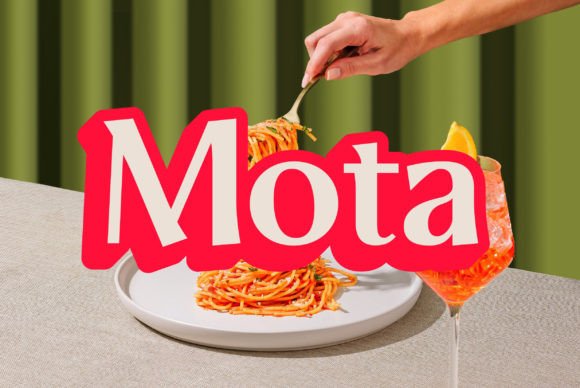
Imagine a typeface that doesn't just sit on the page but feels like it has been chiseled directly out of granite. That is the immediate impression Mota leaves on the viewer. It is a bold and elegant font with a distinctively temperamental character, yet it possesses a surprising flexibility that allows it to adapt to various stylistic designs. Visually, Mota reflects a transitional stage between classical serifs of varying proportions, leaning heavily towards the stylized types found in Roman culture. However, what truly sets it apart is its structural foundation: all Mota styles share the same core but express themselves through an extra-large height, making the font look incredibly bold, as if physically carved out of stone.
For designers, brand strategists, and content creators aged 20 to 50 who are tired of generic sans-serifs and overused geometric fonts, Mota offers a refreshing return to authority and presence. It isn't just a tool for typing words; it is a medium for conveying weight, history, and permanence in a digital world that often feels fleeting.
Where Mota Shines: Real-World Applications
The unique personality of Mota makes it unsuitable for body copy in long-form novels, but it excels in scenarios where impact is everything. When you need to stop the scroll or command attention in a physical space, this typeface delivers.
- Luxury Branding and Packaging: High-end spirits, artisanal coffees, and boutique fashion labels often struggle to find a font that balances modernity with tradition. Mota's Roman influence suggests heritage, while its exaggerated height and bold strokes scream contemporary confidence. Imagine a whiskey bottle label where the brand name looks etched into the glass; Mota achieves this effect digitally, adding perceived value to the product before the customer even reads the description.
- Architectural Signage and Wayfinding: Because the font mimics stone carving, it feels naturally at home in built environments. Museums, high-end hotels, and corporate headquarters can use Mota for lobby signage or directional markers. Its clarity at large sizes ensures readability from a distance, while the stylistic serifs add an air of institutional prestige that standard Helvetica simply cannot match.
- Editorial Headlines and Magazine Covers: In the publishing world, the headline is the hook. Mota's "temperamental" nature means it has attitude. It works exceptionally well for feature articles on culture, history, or politics. The varying proportions of the serifs create a rhythmic texture across the page, drawing the eye naturally through the hierarchy of information without feeling rigid.
- Cinematic Posters and Event Branding: For film posters, especially historical dramas or thrillers, Mota provides a dramatic backdrop. Its heavy weight supports high-contrast imagery, allowing text to pop against dark backgrounds. Similarly, for exclusive events like galas or award ceremonies, invitations set in Mota immediately communicate that the occasion is significant and formal.
Understanding the Audience: Who Benefits Most?
Different professionals extract different values from Mota based on their specific goals. Understanding these nuances helps in selecting the right tool for the job.
Graphic Designers benefit from Mota's flexibility. While the core remains consistent, the ability to leverage its "stone-carved" aesthetic allows designers to create logos that feel established rather than trendy. It solves the problem of creating a mark that won't look dated in five years because it draws from centuries-old typographic principles.
Marketing Directors find value in the psychological impact of the font. The extra-large height and boldness trigger associations with stability and strength. When launching a new product line that needs to assert market dominance, using Mota in campaign visuals can subconsciously reinforce the message of reliability and power.
Web Developers and UI Specialists might approach Mota with caution but find great reward in hero sections. While not ideal for small interface elements, using Mota for main landing page headers can drastically improve the visual hierarchy of a website. It creates an immediate focal point, guiding the user's journey from the very first second they load the page.
Practical Considerations Before You Commit
Like any powerful design element, Mota requires thoughtful application. Its strengths are also its limitations if not handled correctly. Here are some practical observations to keep in mind before integrating it into your next project.
Legibility at Scale
Mota is designed to be seen. Its intricate serif details and heavy stroke contrast are optimized for larger sizes. If you attempt to use it for paragraphs of text smaller than 14px, you risk losing readability, especially on lower-resolution screens. The "carved" texture that looks magnificent on a billboard can become muddy and pixelated on a mobile device if scaled down too aggressively. Always test your layouts on multiple devices to ensure the elegance doesn't turn into visual noise.
Pairing Strategies
Because Mota has such a strong voice, it demands a quiet partner. Pairing it with another decorative serif will result in a clash of egos. Instead, opt for clean, neutral sans-serif fonts for body copy. A simple geometric sans or a humanist sans-serif allows Mota to take center stage while ensuring the rest of the content remains easy to digest. The contrast between the "stone-carved" header and the clean, digital body text creates a sophisticated tension that feels intentional and modern.
Color and Contrast
The effectiveness of Mota relies heavily on contrast. Due to its varying proportions and thick-thin transitions, it can get lost against busy backgrounds. It performs best on solid colors or subtle gradients. If you must place it over an image, ensure there is a sufficient overlay or drop shadow to separate the letterforms from the background details. White text on a dark background often highlights the "carved" illusion most effectively, simulating light hitting raised stone.
The Emotional Resonance of Stone
In an era of flat design and minimalism, there is a growing hunger for texture and depth. Mota satisfies this craving by bringing a tactile quality to digital and print media. It reminds us of inscriptions on monuments, of laws written in stone, and of stories meant to last. This emotional resonance is why it works so well for brands trying to establish trust. It doesn't whisper; it declares.
However, users should be aware of its "temperamental" nature. Mota is not a wallflower. It imposes a specific mood—serious, grand, and slightly authoritative. It might feel out of place for a playful children's app or a whimsical bakery logo unless the goal is ironic juxtaposition. Knowing when not to use Mota is just as important as knowing when to embrace it.
Ultimately, Mota represents a bridge between the classical past and the bold future of typography. It offers a way to infuse projects with a sense of gravity and timelessness without sacrificing modern aesthetic sensibilities. Whether you are crafting a brand identity that needs to stand the test of time or designing a campaign that needs to cut through the noise, Mota provides the structural integrity and stylistic flair to make your message unforgettable. By respecting its scale, pairing it wisely, and leveraging its inherent drama, you can transform ordinary text into a statement piece that feels as permanent as stone.