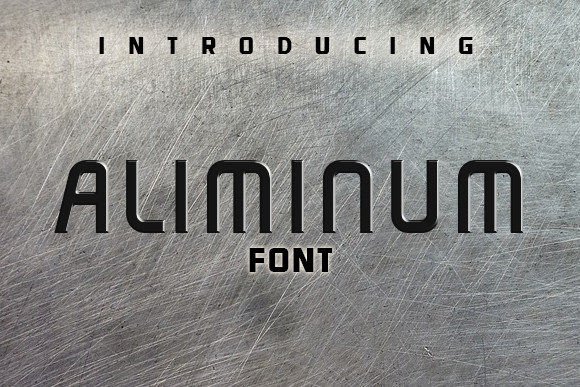
Unlocking Modern Aesthetics: The Design Potential of the Aluminum Typeface
In the ever-evolving landscape of graphic design, typography serves as the primary vehicle for communication, setting the tone before a single word is read. Among the myriad of options available to creators, Aluminum stands out as a distinctive choice that bridges the gap between industrial robustness and approachable modernism. This typeface is not merely a collection of characters; it is a stylistic statement characterized by its techno-inspired structure and uniquely rounded corners. For professionals, hobbyists, and business owners alike, understanding the nuances of this font can unlock new possibilities in branding, merchandise, and digital media.
The appeal of Aluminum lies in its dual nature. On one hand, it possesses the geometric precision often associated with technology and engineering. On the other, the softening of its edges through round corners injects a sense of friendliness and accessibility. This combination makes it exceptionally versatile, allowing it to function effectively in contexts ranging from high-tech product launches to casual community events. When designers seek a display font that commands attention without appearing aggressive, this typeface frequently emerges as the ideal solution.
The Anatomy of a Techno-Soft Hybrid
To truly leverage the power of Aluminum, one must first appreciate its structural composition. Unlike traditional sans-serif fonts that rely on sharp terminals or strict uniformity, this font introduces a subtle curvature to the ends of its strokes. This design choice mitigates the coldness often found in pure techno fonts. The result is a visual texture that feels engineered yet organic. The letterforms are generally wide and open, ensuring high legibility even at smaller sizes, though its true potential is realized when scaled up for display purposes.
The "techno" aspect of the font is evident in its monolinear weight distribution and geometric construction. It echoes the aesthetic of circuit boards and futuristic interfaces, making it a natural fit for industries involved in innovation, software, and electronics. However, the rounded corners prevent it from feeling sterile. This specific trait allows the font to transcend niche technological applications and enter broader consumer markets. It suggests precision without demanding it, creating a welcoming atmosphere for the viewer.
Designers often compare Aluminum to other display fonts but note its unique balance. Where some rounded fonts may appear too playful or childish, and some techno fonts too rigid, this typeface occupies a sophisticated middle ground. It maintains a professional demeanor suitable for corporate banners while retaining enough character to stand out on a t-shirt design. This adaptability is crucial in a market where brands need to project competence while remaining relatable to their audience.
Strategic Applications in Print and Merchandise
One of the most compelling use cases for Aluminum is in the realm of physical merchandise, particularly t-shirts and apparel. In the world of streetwear and casual fashion, typography often serves as the central graphic element. The bold, clean lines of this font ensure that messages remain readable from a distance, while the rounded details add a tactile quality that invites closer inspection. Whether printing a slogan for a tech conference or a logo for a local skate shop, the font provides a contemporary edge that resonates with younger demographics.
Beyond apparel, the font excels in large-format printing such as banners and flyers. These mediums require typefaces that can withstand the visual noise of busy environments. Aluminum cuts through clutter effectively due to its distinct silhouette. When used on a event flyer, the rounded corners soften the call to action, making an invitation feel less like a demand and more like an opportunity. For trade show banners, the techno elements reinforce themes of innovation and forward-thinking, aligning perfectly with exhibitors in the engineering or startup sectors.
Educators and researchers also find value in this typeface for poster presentations and academic conferences. While serif fonts are traditional for body text, display fonts like Aluminum are excellent for titles and section headers. They help organize information visually, guiding the viewer's eye through complex data sets or research findings. The modern aesthetic can make dry subjects appear more engaging and accessible, helping to bridge the gap between expert knowledge and public understanding.
Enhancing Brand Identity Through Typography
For business owners, the choice of font is a critical component of brand identity. Aluminum offers a way to signal specific brand attributes without using explicit imagery. A company wishing to portray itself as cutting-edge yet customer-focused can adopt this font for its logo and marketing materials. The visual language of rounded techno shapes suggests a business that is advanced in its methods but human-centric in its approach.
Consider a startup launching a new smart home device. Using Aluminum on their packaging and website headers immediately communicates the nature of the product—technological and sleek. Simultaneously, the softness of the font assures potential buyers that the device is user-friendly and safe for the home environment. This subtle psychological cue is powerful in influencing consumer perception and building trust before a purchase is even made.
Furthermore, the versatility of the font allows for consistent branding across diverse touchpoints. From the header of a newsletter to the signage on a storefront, Aluminum maintains its integrity. This consistency helps in building brand recognition. When customers see the distinctive rounded techno style repeatedly, they begin to associate those visual cues with the reliability and quality of the business behind them.
Implementation Best Practices for Creators
While Aluminum is a robust tool, effective implementation requires an understanding of typographic hierarchy. As a display font, it is designed to shine in headlines, logos, and short phrases. It is generally not recommended for long blocks of body text, where the unique characteristics of the letters might cause eye fatigue over extended reading sessions. Instead, pair it with a neutral, highly legible sans-serif or a classic serif for the main content. This contrast allows the display font to perform its role of capturing attention while the body font ensures comfortable reading.
Kerning and spacing are also critical considerations. The rounded corners of Aluminum can sometimes create optical illusions regarding the space between letters. Designers should manually adjust kerning pairs to ensure even visual rhythm, particularly in all-caps settings which are common for this style. Proper spacing enhances the geometric beauty of the font and prevents the letters from appearing cramped or disconnected.
Color selection plays a significant role in how the font is perceived. The techno roots of Aluminum pair exceptionally well with metallic gradients, neon accents, or stark monochrome palettes. However, do not shy away from warm colors. The rounded corners allow the font to harmonize with earth tones and pastels, expanding its utility beyond the typical "cyber" aesthetic. Experimenting with background contrasts can further highlight the unique terminal shapes, making the typography pop in digital and print formats alike.
Navigating Trends and Longevity
Typography trends are cyclical, yet certain styles possess an enduring quality. The fusion of technical geometry and soft humanity seen in Aluminum taps into a lasting design preference. As technology becomes more integrated into daily life, the desire for interfaces and visuals that feel both advanced and approachable grows. This font meets that demand, suggesting it will remain relevant for years to come.
Creators should view this typeface as a long-term asset rather than a fleeting trend. Its application in timeless projects, such as core brand logos or essential marketing collateral, ensures that the visual identity does not date quickly. By focusing on the fundamental strengths of the design—the clarity of the forms and the warmth of the curves—designers can create work that stands the test of time.
In conclusion, the Aluminum typeface represents a sophisticated tool in the designer's arsenal. Its ability to convey complex dualities of strength and softness, technology and humanity, makes it invaluable for a wide range of applications. Whether adorning a t-shirt, headlining a banner, or defining a brand's voice, this gorgeous display font offers a unique pathway to effective visual communication. By understanding its characteristics and applying it with intention, professionals and hobbyists can elevate their projects, creating designs that are not only seen but felt.