Evaluating Heroes Speed for Modern Design Projects
In the competitive landscape of graphic design, typography serves as a primary vehicle for establishing tone and identity. Among the myriad of display fonts available to creatives, Heroes Speed has emerged as a notable option for those seeking a distinct urban aesthetic. This typeface is characterized by its fatty, cool graffiti style, offering a bold visual statement that diverges significantly from traditional serif or sans-serif structures. For designers, brand managers, and artists evaluating font choices, understanding the specific attributes, applications, and limitations of Heroes Speed is essential for making an informed decision that aligns with project goals.
Defining the Aesthetic of Heroes Speed
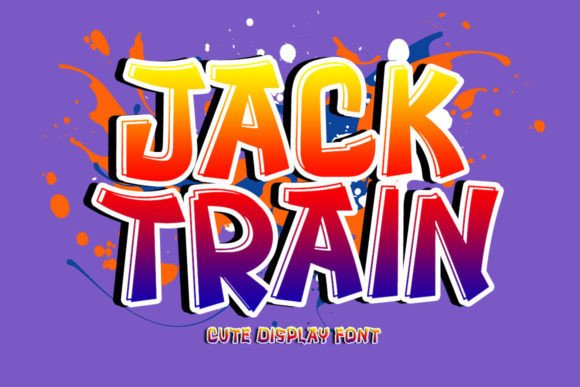
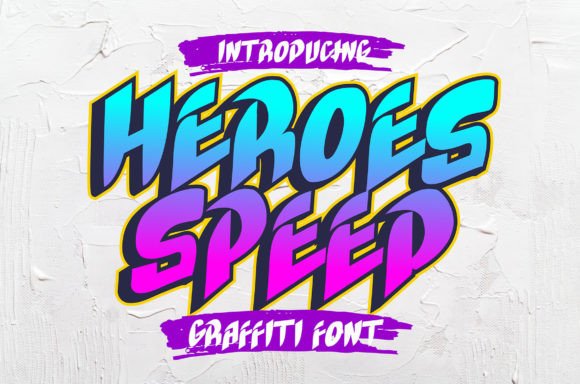
At its core, Heroes Speed is a spectacular display font designed to mimic the energy and fluidity of street art. The term "fatty" in typographic description refers to the heavy weight and expanded width of the characters, which creates a sense of volume and presence. Unlike condensed fonts that save space, this font demands attention through its sheer mass. The "cool graffiti style" indicates organic curves, varying stroke widths, and a hand-drawn quality that avoids the rigid perfection of geometric fonts.
When analyzing the structure of Heroes Speed, one observes a deliberate lack of uniformity that contributes to its authenticity. The letterforms often feature tapered ends and dynamic angles, simulating the movement of a spray can or a thick marker. This makes it particularly effective for projects where the objective is to convey motion, youth culture, or rebellion. It is not merely a tool for legibility but a graphical element intended to set a specific mood immediately upon viewing.
Strategic Applications and Ideal Use Cases
The versatility of Heroes Speed allows it to elevate a wide range of design projects, provided the context supports its aggressive personality. One of its strongest fits is in the realm of streetwear and apparel design. Fashion brands targeting a younger demographic often rely on typography that resonates with skate culture and hip-hop aesthetics. In these scenarios, Heroes Speed functions effectively on t-shirts, hoodies, and caps, where the text acts as the central graphic rather than secondary information.
Beyond fashion, the font excels in branding initiatives for businesses rooted in urban environments. Consider coffee shops in industrial districts, skateboard parks, or music festivals. Here, the logotype created with Heroes Speed can serve as an immediate signal of the brand's values—energy, creativity, and non-conformity. Similarly, for wall art illustrations and murals, the font's thick strokes ensure visibility from a distance, making it a practical choice for large-scale environmental graphics.
Other viable applications include:
- Headings and Titles: Ideal for magazine covers, poster headlines, or website banners where impact is prioritized over body text readability.
- Invitations and Event Materials: Suitable for concerts, block parties, or underground art exhibitions where a formal tone is undesirable.
- Labels and Packaging: Effective for limited-edition products, energy drinks, or snacks that wish to stand out on crowded shelves.
- Signatures: Can be adapted for stylized digital signatures or artist watermarks that require a unique, handwritten feel.
Benefits and Visual Impact
The primary benefit of incorporating Heroes Speed into a design workflow is its ability to instantly establish a hierarchy of importance. Due to its heavy weight, it naturally draws the eye, ensuring that key messages are not overlooked. This is particularly valuable in advertising contexts where capturing attention within seconds is critical. Furthermore, the organic nature of the graffiti style adds a human touch to digital designs, counteracting the sterility that can sometimes plague vector-based artwork.
From a technical standpoint, display fonts like Heroes Speed often come with unique ligatures or alternate characters that allow for customization. This enables designers to tweak the flow of specific words, ensuring that the "speed" implied by the name is visually represented through the connecting lines of the letters. When used correctly, it transforms standard text into an illustration, reducing the need for additional graphical assets.
Tradeoffs and Limitations
While Heroes Speed offers significant stylistic advantages, it is not a universal solution. A critical consideration for any designer is legibility. The complex shapes and heavy weighting that make the font attractive at large sizes can become muddy and indistinct when scaled down. Consequently, Heroes Speed is unsuitable for body copy, legal disclaimers, or any interface element requiring rapid reading of detailed information.
Another tradeoff involves brand alignment. The strong association with street culture means that using this font for conservative industries—such as finance, healthcare, or corporate law—could send mixed signals or undermine professional credibility. The "cool" factor is subjective; what appears edgy to one audience may seem unprofessional to another. Therefore, thorough audience research is necessary before committing to this typeface for a long-term brand identity.
Additionally, because graffiti-style fonts rely on specific artistic quirks, they can sometimes clash with other design elements. Pairing Heroes Speed requires careful selection of complementary fonts. Typically, a clean, neutral sans-serif is required for supporting text to balance the visual noise of the display font. Overusing decorative elements alongside Heroes Speed can result in a cluttered composition that lacks focus.
Comparative Considerations and Alternatives
When evaluating Heroes Speed against alternatives, designers should consider the specific nuance of "graffiti" they wish to achieve. Some graffiti fonts lean towards wildstyle, featuring intricate overlaps and arrows that sacrifice readability for artistic complexity. Others, like bubble letter fonts, offer a softer, more playful approach. Heroes Speed sits somewhere in the middle, offering boldness without becoming entirely abstract.
If a project requires a graffiti aesthetic but demands higher legibility for medium-sized text, a simpler brush script or a bold slab serif might be a more prudent alternative. Conversely, if the goal is pure abstraction and artistic expression where the text is barely readable, a more experimental wildstyle font might be preferable. The decision ultimately hinges on the balance between artistic flair and functional communication.
Decision-Making Insights for Designers
To determine if Heroes Speed aligns with your current needs, ask the following questions:
- What is the primary emotion I want to evoke? If the answer involves energy, rebellion, or urban sophistication, this font is a strong candidate.
- Where will this text be displayed? If the medium is large-format print or digital headers, the font will perform well. If it is for small mobile screens or dense documents, look elsewhere.
- Who is the target audience? Ensure the demographic connects with street culture aesthetics. Misalignment here can dilute the brand message.
- Does the budget allow for custom tweaking? To maximize the potential of Heroes Speed, minor adjustments to kerning or character shapes may be necessary to fit specific layouts perfectly.
In conclusion, Heroes Speed is a powerful tool in the typographic arsenal, specifically tailored for projects that demand a loud, confident, and urban voice. Its fatty, cool graffiti style makes it an excellent choice for streetwear, branding, and artistic illustrations where standing out is paramount. However, its effectiveness is contingent upon appropriate application. By recognizing its limitations regarding legibility and context, designers can leverage Heroes Speed to create compelling visuals that resonate with their intended audience while avoiding the pitfalls of mismatched typography. Whether upgrading a logotype or designing a new apparel line, this font offers a pathway to elevate design projects to a higher level of visual engagement, provided it is used with strategic intent.