Evaluating Aronic: A Modern Serif for Versatile Design Projects
In the vast landscape of typography, finding a typeface that balances contemporary aesthetics with functional versatility can be a challenge for designers and creators. Aronic has emerged as a notable option in this space, characterized as a cool and modern serif display font. Unlike traditional serifs that often evoke history or formality, Aronic leans into a sharper, more stylized identity. This article evaluates the characteristics of Aronic to help you determine if it aligns with your specific design goals, whether you are working on digital interfaces, physical crafts, or professional presentations.
Understanding the Aesthetic of Aronic
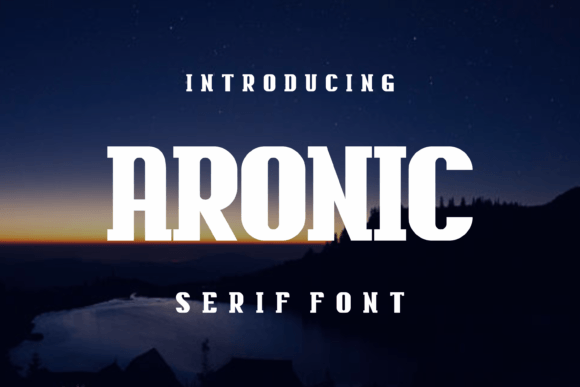
At its core, Aronic is a display font, meaning it is optimized for use at larger sizes rather than long blocks of body text. Its "modern serif" classification indicates that while it retains the small projecting features (serifs) at the ends of strokes, these elements are likely refined, geometric, or high-contrast to create a sleek appearance. The descriptor "cool" suggests a personality that is confident and perhaps slightly edgy, distinguishing it from softer, more organic serif options.
When evaluating Aronic, one must consider its visual weight and structure. Display fonts like this are typically designed to command attention. They serve as the visual anchor of a layout, guiding the viewer's eye immediately to the headline or key message. The modernity of Aronic implies clean lines and potentially unique letterforms that break away from standard typographic conventions, offering a fresh look for brands or projects seeking to appear current and forward-thinking.
Ideal Use Cases and Applications
The versatility of Aronic makes it a compelling choice for a wide range of creative endeavors. Understanding where this font shines is crucial for effective implementation.
- Digital Designing: In web design and social media graphics, Aronic can provide a sophisticated yet approachable tone. It works well for hero sections, banner ads, and app headers where immediate visual impact is required. Its modern traits ensure it renders cleanly on high-resolution screens.
- Presentation Decks: For business or academic presentations, the clarity of a display serif can elevate slide titles. Aronic offers a professional alternative to ubiquitous sans-serif fonts, adding a layer of design intentionality without sacrificing readability at large sizes.
- Greeting Card Making: The "cool" factor of Aronic makes it suitable for modern greeting cards that aim to avoid cliché sentiments. Whether for birthdays, holidays, or invitations, the font can convey a sense of style and personal taste that resonates with contemporary audiences.
- Crafting and Physical Goods: For those involved in physical crafting, such as scrapbooking, vinyl cutting, or packaging design, Aronic provides distinct shapes that cut well and look striking when printed. Its display nature ensures that even short phrases stand out on tangible products.
Benefits and Strategic Advantages
Selecting Aronic offers several strategic advantages for a design project. Primarily, it provides distinctiveness. In a market saturated with generic geometric sans-serifs, a modern serif like Aronic helps a brand or project stand out. It signals that attention has been paid to detail and typography.
Furthermore, Aronic bridges the gap between formal and casual. Traditional serifs can sometimes feel too stiff or academic, while pure sans-serifs can feel too corporate or utilitarian. Aronic occupies a middle ground, offering the elegance of a serif with the approachability of a modern design. This balance allows it to adapt to various tones, from chic and fashionable to friendly and inviting, depending on the accompanying imagery and color palette.
Tradeoffs and Limitations to Consider
While Aronic is a powerful tool, it is not a universal solution. A critical evaluation requires acknowledging its limitations. As a display font, Aronic is generally not suitable for body copy. Using it for paragraphs of text would likely result in poor readability and viewer fatigue due to the intricate details of the letterforms which are meant to be appreciated at a distance, not scrutinized up close.
Additionally, the "cool" and modern aesthetic may not align with every brand identity. Projects requiring a sense of deep tradition, heritage, or extreme warmth might find Aronic too sharp or detached. For instance, a rustic bakery or a historical society might benefit more from a slab serif or a humanist old-style serif. The specific stylistic quirks of Aronic could clash with designs that rely on softness or organic textures.
Pairing and Implementation Strategies
To maximize the effectiveness of Aronic, pairing it with the right complementary typeface is essential. Since Aronic handles the heavy lifting of headlines, it pairs exceptionally well with neutral, highly legible sans-serif fonts for body text. This contrast ensures that the hierarchy is clear: Aronic draws the eye, while the sans-serif facilitates reading.
When implementing Aronic in digital environments, consider loading times and rendering. While modern web fonts are generally optimized, ensuring that the font file does not unnecessarily bloat your website is a practical consideration. For print and crafting, test the font at your intended output size. Some fine serif details may disappear if printed at too small a scale or cut from materials that cannot hold intricate lines.
Making the Decision: Is Aronic Right for You?
Deciding whether to integrate Aronic into your workflow depends on your specific objectives. If your goal is to create a visual identity that feels current, stylish, and memorable, Aronic is a strong candidate. It is particularly valuable if your project involves short-form text where typography acts as a primary graphical element.
However, if your project relies heavily on long-form reading or requires a tone of strict conservatism, you may need to look elsewhere. Alternatives might include more robust slab serifs for a heavier impact or classic transitional serifs for a more neutral professional look. It is also worth considering whether the "cool" vibe of Aronic matches your target audience's expectations. A younger demographic or a lifestyle brand will likely respond better to Aronic than a financial institution or a legal firm.
Ultimately, Aronic represents a thoughtful choice for creators who want to inject personality into their work without resorting to overly decorative or illegible scripts. By understanding its strengths as a display tool and respecting its limitations regarding body text, you can leverage Aronic to create cohesive, engaging, and visually appealing designs across both digital and physical mediums.