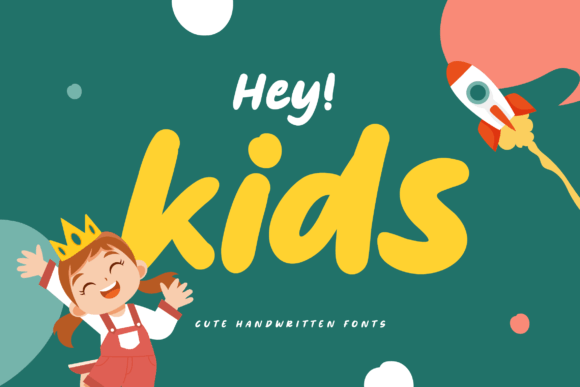
Hey Kids: Bringing Playful Life to Your Designs
There is a specific kind of energy that only a handwritten typeface can convey. It feels immediate, personal, and unpolished in the best possible way. Hey Kids captures this spirit perfectly. As a cute handwritten font with many possible combinations, it offers designers and creators a unique tool to inject warmth and personality into their work. When you apply this typeface to a project, you are not just adding text; you are inviting the viewer into a space that feels friendly, approachable, and full of life.
The appeal of Hey Kids lies in its versatility. While it leans heavily into a playful and sweet style, it is robust enough to handle professional applications without losing its charm. Whether you are designing a logo for a children's boutique, creating packaging for artisanal cookies, or drafting a quote for a social media post, this font adapts to the context while maintaining its core identity. The key to using it effectively is understanding how its irregular strokes and organic flow can guide the viewer's eye and evoke specific emotions.
Why Handwritten Styles Matter in Modern Design
In a digital landscape often dominated by clean, geometric sans-serifs and rigid grids, human touch has become a premium asset. Consumers today crave authenticity. They want to feel a connection to the brands they support and the content they consume. A font like Hey Kids bridges the gap between digital precision and human imperfection. It suggests that there is a real person behind the design, someone who cares about the details.
This psychological impact is crucial for marketers and small business owners. When a customer sees a label or an advertisement featuring a genuine handwritten style, they subconsciously associate it with care, craftsmanship, and approachability. It lowers the barrier to entry, making the brand feel less corporate and more like a neighbor. For educators and publishers, this style can make learning materials feel less intimidating and more engaging for young audiences.
Practical Applications Across Industries
The utility of Hey Kids extends far beyond simple decoration. Its structure allows for legibility even at smaller sizes, provided it is paired correctly with other elements. Here is how different professionals can leverage this typeface to meet specific goals:
- T-Shirt Design: The apparel industry thrives on expression. Hey Kids is ideal for slogans, band names, or illustrative text on clothing. Its bouncy baseline and varied stroke weights look excellent when screen printed or used in direct-to-garment printing. It works particularly well for family reunion shirts, nursery wear, or casual streetwear that aims for a retro or nostalgic vibe.
- Packaging and Branding: For food and beverage products, especially those targeting families or positioning themselves as "homemade," this font adds an instant layer of trust. Imagine a jar of honey or a box of cupcakes; the label written in Hey Kids suggests small-batch quality. It helps the product stand out on crowded shelves where competitors might be using sterile, standard typography.
- Logo Creation: While not suitable for every corporate identity, it is perfect for businesses in the creative, childcare, pet care, or lifestyle sectors. A logo built around this font communicates flexibility and fun. It tells the client that the business is dynamic and ready to adapt to their needs.
- Digital Content and Templates: Bloggers and social media managers can use this font to create eye-catching headers for Instagram stories, Pinterest pins, or YouTube thumbnails. It breaks up the monotony of standard web fonts and encourages higher engagement rates due to its visual interest.
Mastering Combinations and Pairings
One of the standout features of Hey Kids is its capacity for combination. A handwritten font rarely works best in isolation; it shines when contrasted with more structured typefaces. To maintain clarity and professionalism, consider pairing it with a clean, neutral sans-serif or a classic serif.
For example, if you are designing a wedding invitation suite, use Hey Kids for the names of the couple to add a personal, whimsical touch, but switch to a refined serif font for the logistical details like date, time, and location. This hierarchy ensures that the most important information remains easy to read while the design retains its character. Similarly, in poster design, let the handwritten font carry the emotional weight of the headline, while a simple geometric font handles the body copy.
When experimenting with combinations, pay attention to x-heights and stroke thickness. You want the fonts to feel like they belong to the same family, even if they have different personalities. Avoid pairing Hey Kids with another overly decorative or script font, as this can create visual noise and reduce legibility. The goal is balance, not competition.
Tailoring the Style to Your Audience
While the font is inherently playful, the way you deploy it should shift based on who you are talking to. For an audience of parents and children, lean into the sweetness. Use bright colors, pair the text with illustrations, and let the letters dance across the page. However, if you are targeting young adults or a hipster demographic, you might adopt a more subdued approach.
In this context, try using Hey Kids in monochrome or muted earth tones. Distress the texture slightly to give it a vintage, stamped look. This interpretation keeps the human element but strips away the juvenile associations, making it suitable for craft beer labels, coffee shop menus, or indie music festivals. The font is flexible enough to grow with your brand strategy if you manipulate color, spacing, and texture thoughtfully.
Maintaining Consistency and Clarity
Creativity should never come at the cost of communication. When using a font with many possible combinations, it is easy to get carried away with ligatures and alternate characters. To keep your results effective and organized, establish a style guide early in your project. Decide which alternate glyphs you will use for specific letters and stick to them throughout the campaign.
Ensure there is adequate breathing room around the text. Handwritten fonts often have irregular boundaries, so they require more whitespace than standard block letters to prevent feeling cramped. If you are working on a complex layout, such as a magazine spread or a multi-page brochure, use the font sparingly as an accent rather than the primary vehicle for long-form text. This preserves its impact and prevents reader fatigue.
Ultimately, Hey Kids is a tool for storytelling. It invites designers to step away from perfectionism and embrace the joy of creation. By understanding its nuances and applying it with intention, you can transform ordinary projects into memorable experiences that resonate with people on a human level. Whether you are a freelancer looking to expand your portfolio or a business owner refreshing your brand, this typeface offers a reliable path to adding that essential spark of life to your designs.