Evaluating Milk Mango: A Modern Display Font for Bold Visual Identity
In the crowded landscape of digital design, selecting the right typeface is often the difference between a project that blends into the background and one that commands attention. Milk Mango has emerged as a compelling option for designers seeking a modern, fancy display font that balances whimsy with professional polish. Unlike many novelty fonts that sacrifice legibility for style, this typeface offers a robust set of glyphs and consistent stroke weights that make it viable for serious commercial applications. Whether you are developing a brand identity for a boutique café, designing a book cover for a contemporary novel, or creating social media assets for a lifestyle blog, understanding the specific characteristics of Milk Mango can help determine if it aligns with your creative goals.
Defining the Aesthetic and Core Characteristics
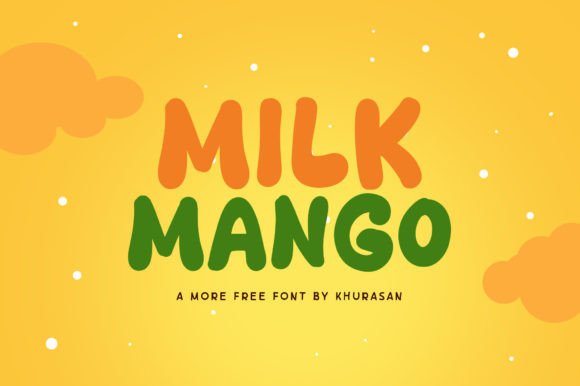
At its core, Milk Mango is defined by its fluid, organic lines and a distinctively playful yet sophisticated curvature. It falls squarely into the display category, meaning it is optimized for larger sizes where its unique details can be fully appreciated. The font features rounded terminals and a slightly irregular baseline that mimics hand-lettering without losing the structural integrity required for professional typesetting. This duality allows it to function effectively in contexts that require both approachability and elegance.
The "fancy" descriptor often applied to Milk Mango stems from its decorative swashes and alternative characters, which provide designers with the flexibility to customize wordmarks and headlines. These elements are not merely ornamental; they serve a functional purpose in breaking up visual monotony and adding a layer of personality to static text. When compared to standard sans-serif or serif options, Milk Mango introduces a sense of movement and warmth that can soften the overall tone of a design piece, making it particularly effective for brands aiming to appear friendly and accessible.
Practical Applications Across Media
The versatility of Milk Mango extends across a wide array of mediums, making it a valuable asset for professionals working in diverse sectors. Its primary strength lies in posters and banners, where large-scale typography needs to capture attention quickly. In these formats, the font's bold presence ensures readability from a distance while maintaining an artistic flair that draws the viewer in.
For logo design, Milk Mango offers a unique opportunity to create memorable brand marks. Small business owners and entrepreneurs in the food, beverage, and lifestyle industries often seek typefaces that convey freshness and creativity. The font's organic feel pairs exceptionally well with concepts related to nature, artisanal products, and youth-oriented services. However, it is crucial to note that as a display font, it is best suited for short phrases or single words rather than long body copy. Using it for extensive paragraphs could compromise readability and strain the viewer's eyes.
In the publishing world, book covers and magazine headers benefit significantly from the distinctive personality of Milk Mango. For fiction titles, particularly in genres like romance, contemporary drama, or young adult literature, the font can instantly communicate the tone of the story. Similarly, magazine editors can utilize it for feature headlines to create a visual hierarchy that separates main stories from secondary content. The font's ability to stand out against various backgrounds—whether solid colors, gradients, or photographic images—adds to its utility in complex layout designs.
Usability and Workflow Integration
From a technical standpoint, Milk Mango is designed to integrate smoothly into standard design workflows. It supports a comprehensive character set, including uppercase and lowercase letters, numerals, punctuation, and multilingual support, which is essential for global projects. This level of completeness ensures that designers do not encounter missing glyphs when working on international campaigns or diverse client briefs.
The font files are typically optimized for both print and web use, ensuring crisp rendering at various resolutions. For web designers, this means that Milk Mango can be implemented via @font-face or web font services without significant performance penalties, provided it is used sparingly for headings and call-to-action buttons. The consistency of its line height and kerning pairs also reduces the amount of manual adjustment required during the typesetting process, allowing creators to focus more on layout and composition.
Furthermore, the compatibility of Milk Mango with major design software such as Adobe Illustrator, Photoshop, InDesign, and Affinity Designer ensures that it fits seamlessly into existing pipelines. Freelancers and agency teams can share project files without worrying about font substitution issues, as long as the license permits embedding or the font is installed on all relevant machines.
Strategic Value for Different Professional Groups
Different segments of the creative industry will find varying degrees of value in Milk Mango based on their specific needs:
- Marketers and Brand Strategists: Those looking to refresh a brand's visual identity will appreciate the font's ability to evoke emotion. It works well for campaigns targeting millennials and Gen Z audiences who respond positively to authentic, hand-crafted aesthetics.
- Publishers and Editors: The font provides a fresh alternative to overused script and slab serif options, helping new releases stand out on crowded bookstore shelves and digital marketplaces.
- Social Media Managers: For creating engaging Instagram stories, Pinterest pins, or YouTube thumbnails, Milk Mango offers the visual pop necessary to stop the scroll. Its playful nature aligns well with casual, engaging content strategies.
- Educators and Presenters: While not suitable for dense academic texts, it can be effectively used in presentation slides, workshop materials, and educational posters to make information feel more inviting and less intimidating.
Limitations and Considerations for Effective Use
While Milk Mango is a powerful tool, it is not a universal solution. Its highly stylized nature means it should be used with intention. Pairing it with a clean, neutral sans-serif font for body text is often the most effective strategy to maintain balance. Overusing the font or applying it to small sizes can lead to legibility issues, particularly on low-resolution screens or in poor lighting conditions.
Additionally, designers must consider the context of their project. For corporate reports, legal documents, or high-end luxury brands that rely on traditional minimalism, Milk Mango might appear too informal. Understanding the brand voice and the expectations of the target audience is critical before committing to this typeface. It excels in environments that celebrate creativity and individuality but may clash with rigid, formal structures.
Long-Term Viability and Investment
Investing in a quality font like Milk Mango is a strategic decision for any creative professional. Unlike free fonts that may lack complete character sets or suffer from inconsistent spacing, premium display fonts offer reliability and longevity. The initial cost is offset by the time saved in adjustments and the enhanced quality of the final output. As design trends continue to shift towards more human-centric and organic visuals, the relevance of Milk Mango is likely to endure, making it a sustainable addition to a designer's toolkit.
Ultimately, the decision to use Milk Mango should be driven by the specific requirements of the project at hand. By evaluating its strengths in display contexts, its flexibility across different media, and its ability to convey a distinct mood, professionals can make informed choices that elevate their work. When applied correctly, this font does more than just display text; it enhances the narrative, engages the audience, and adds a touch of modern elegance to any creative endeavor.