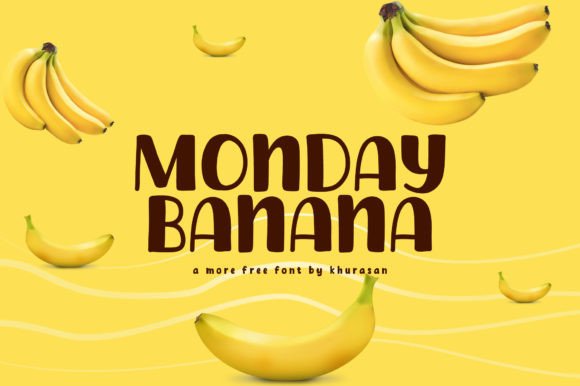
Unlocking the Potential of Monday Banana for Modern Design Projects
Finding the right typeface can often feel like searching for a needle in a haystack, especially when you need something that balances personality with professionalism. This is where Monday Banana enters the conversation as a compelling option for designers and creators alike. As a modern and cute display font, it offers a unique aesthetic that feels fresh without sacrificing readability. Whether you are crafting a logo for a new coffee shop, designing a vibrant poster for a community event, or laying out a playful book cover, this typeface provides the visual hook necessary to grab attention immediately. However, simply downloading a font is not enough; understanding how to wield it effectively is what separates amateur designs from polished, professional work.
Many creators rush into using trendy fonts like Monday Banana without fully considering the context of their project. While the font is undeniably versatile and perfect for banners, magazines, and various creative ideas, misapplication can lead to results that feel disjointed or unprofessional. The charm of this font lies in its specific character shapes and spacing, which are designed to evoke a sense of fun and approachability. When used correctly, it makes designs stand out in a crowded marketplace. Yet, there are common pitfalls that even experienced designers sometimes fall into when integrating such distinct typography into their workflows.
Avoiding the Trap of Overuse in Body Text
One of the most frequent mistakes observed when working with display fonts is attempting to use them for long-form body text. Monday Banana is explicitly categorized as a display font, meaning it is optimized for headlines, titles, and short bursts of text rather than paragraphs of information. Using it for dense content can strain the reader's eyes and reduce overall legibility. The unique curves and stylistic flourishes that make it so attractive in a logo become distracting when repeated hundreds of times on a page.
To avoid this, reserve Monday Banana for elements that need to pop. Pair it with a clean, neutral sans-serif or a classic serif font for the body copy. This contrast creates a hierarchy that guides the viewer's eye naturally. For instance, if you are designing a magazine spread, use this font for the article title and pull quotes, but switch to a highly readable font like Helvetica or Georgia for the main story. This approach ensures that the personality of the design shines through without compromising the user experience or the clarity of your message.
Misunderstanding Licensing and Commercial Rights
Another critical area where creators often stumble involves licensing. In the excitement of finding a perfect font, many users overlook the specific terms of use associated with Monday Banana. Some assume that downloading a font means they own it outright and can use it for any purpose, including commercial projects like client logos or merchandise. This misunderstanding can lead to serious legal and financial repercussions down the line.
Before adding this font to your creative ideas, always verify the license agreement. Does the standard download cover commercial use, or is a separate enterprise license required for mass production? If you are a small business owner planning to print this font on thousands of t-shirts, or a freelancer creating a brand identity for a paying client, you must ensure your usage aligns with the creator's permissions. Taking the time to read the fine print protects your reputation and ensures that your lovely designs remain legally sound. It is a small step that prevents significant headaches later.
Neglecting Color and Background Contrast
The playful nature of Monday Banana invites experimentation with color, but this can sometimes lead to poor contrast choices. A common error is placing light-colored text over a busy or similarly toned background, rendering the design ineffective. Because this font relies on specific stroke widths and rounded edges to convey its "cute" vibe, low contrast can blur these details, making the text appear muddy or illegible from a distance.
When creating posters or banners, test your designs in grayscale first. If the text disappears against the background in black and white, it will certainly fail in color. Use bold, solid backgrounds that allow the unique shape of the letters to breathe. For example, a deep navy or a crisp white background often allows the quirky characteristics of Monday Banana to shine without competition. Remember, the goal is to make the design stand out, not to blend in. High contrast ensures that your message is communicated instantly, which is vital for marketing materials and signage.
Forcing the Font into Inappropriate Contexts
While Monday Banana is incredibly versatile, it is not a universal solution for every design problem. A subtle but important mistake is forcing this style into contexts that require seriousness or authority. Imagine using this cute, rounded typeface for a law firm's letterhead or a medical warning label. The mismatch between the tone of the font and the gravity of the subject matter can undermine the credibility of the entire project.
Evaluate the emotional resonance of your project before committing to a typeface. This font excels in environments that benefit from warmth, creativity, and friendliness—such as children's education materials, lifestyle blogs, bakery branding, or tech startups aiming for a human-centric image. If your project demands a stark, corporate, or urgent tone, look elsewhere. Being selective about where you apply Monday Banana demonstrates a mature understanding of design psychology. It shows that you are not just picking a font because it looks nice, but because it strategically supports the communication goals of the piece.
Practical Steps for Better Implementation
To maximize the impact of this amazing font, consider these practical adjustments to your workflow:
- Test at Multiple Sizes: What looks great on a large monitor might lose detail when shrunk down for a mobile banner. Always preview your designs at the actual size they will be viewed by the end user.
- Check Kerning Manually: Display fonts often have unique spacing requirements. You may need to adjust the space between specific letter pairs (kerning) to ensure a balanced look, especially in logos where precision is paramount.
- Limit Your Palette: Since the font itself has a lot of personality, keep the rest of your design elements simple. Let Monday Banana be the star of the show rather than competing with excessive graphics or patterns.
- Consider the Audience: Ask yourself if the demographic you are targeting will respond well to a "cute" aesthetic. While it appeals to a broad range of adults aged 20–50, niche markets may have different expectations.
Incorporating Monday Banana into your toolkit can significantly elevate the quality of your visual communications. By avoiding common pitfalls regarding usage, licensing, contrast, and context, you ensure that your designs are not only aesthetically pleasing but also functional and effective. The key is to treat the font as a strategic tool rather than just a decorative element. When you take the time to understand its strengths and limitations, you can create lovely designs that truly resonate with your audience and help your projects stand out in a meaningful way.